Rise of Analytics
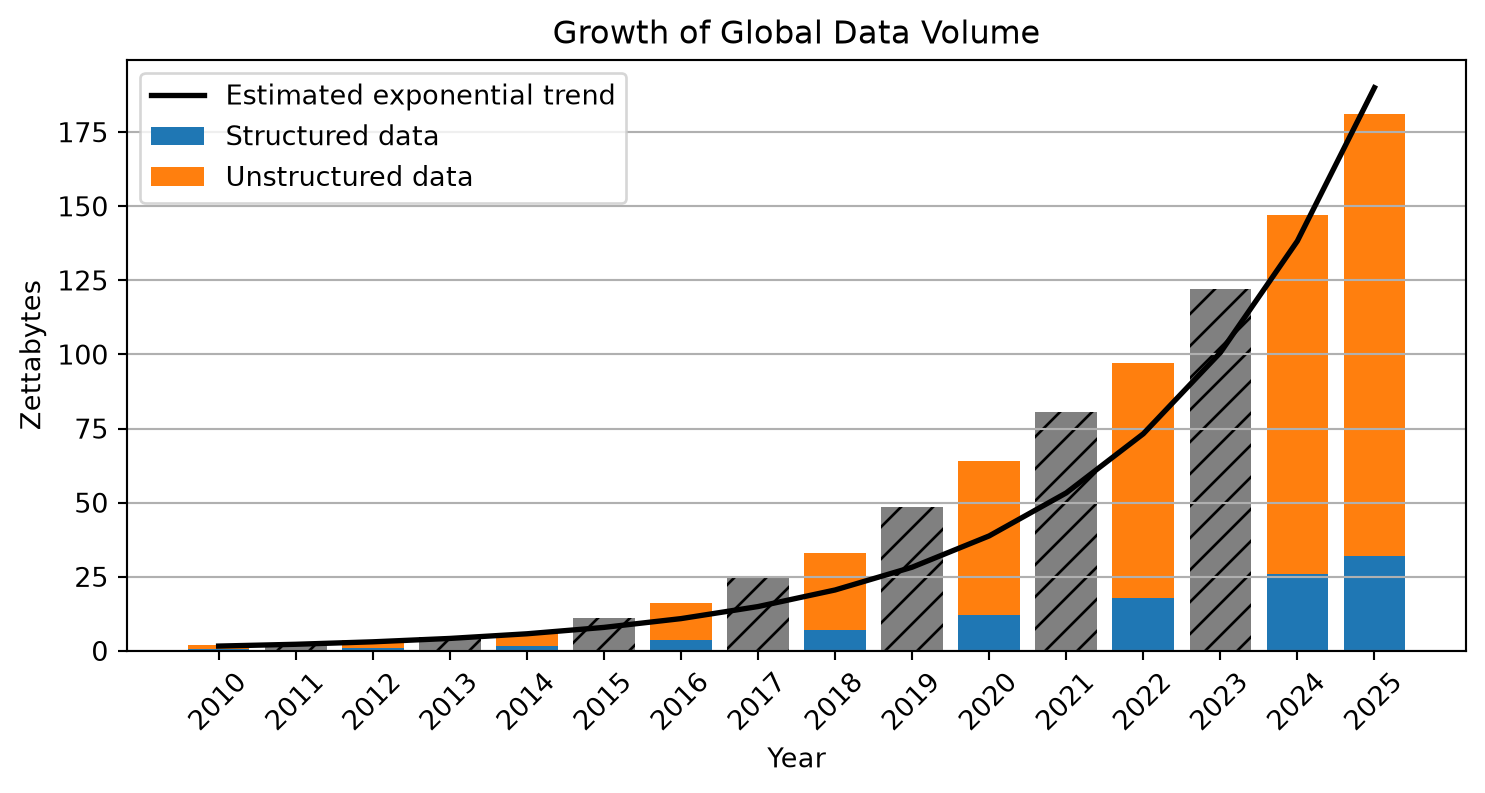
Growth of computing power
The rapid acceleration of computing power—driven by advances in hardware, cloud infrastructure, and parallel processing—has enabled modern analytics and machine learning to scale to massive datasets.

Algorithms enable more powerful analytical models

Traditional Regression

Decision Tree

Neural Network
Algorithmic breakthroughs drive AI progress
Recent breakthroughs in artificial intelligence (AI)1 show how new algorithms can rapidly surpass human performance. DeepMind provides good examples.
AlphaGo (2016)
- Uses deep neural networks + reinforcement learning
- Defeated world champion Lee Sedol in the game of Go
Go was long considered too complex for computers due to the enormous search space.

AlphaFold (2020–2022)
- Uses deep learning to predict protein structures
- Achieved breakthrough performance in the CASP competition2
Predicting protein folding had been a major unsolved problem in biology for decades.

Jagged frontier of AI
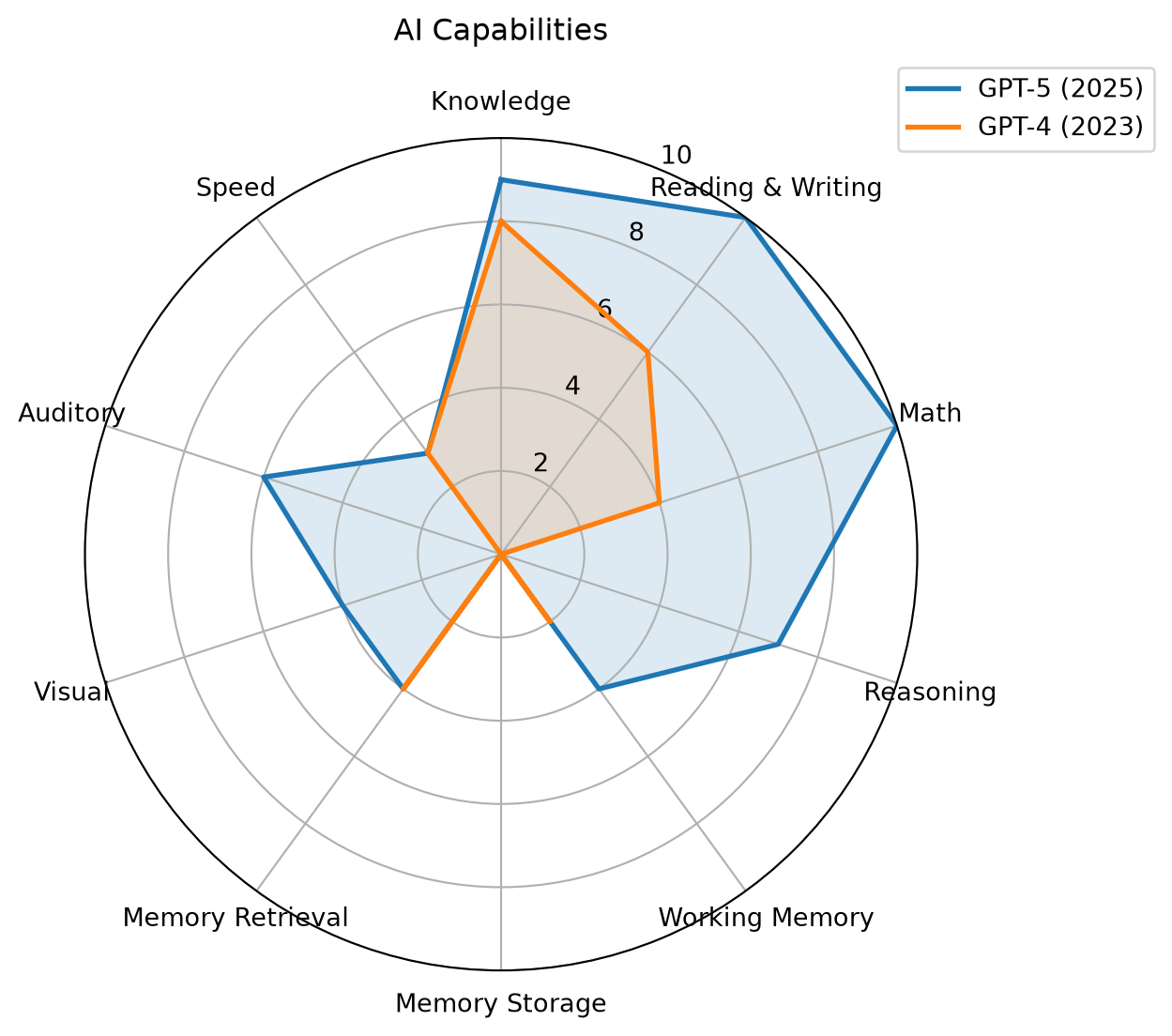
AI progress often occurs through algorithmic breakthroughs, enabling machines to outperform humans in increasingly complex tasks.
Recent studies suggest that AI creates a “jagged frontier.” [@DellAcquaEtAl2023], i.e., some tasks are well suited to AI, while others that appear similar remain outside its capabilities.
- Within this frontier, AI can strongly enhance knowledge work, improving productivity and the quality of outputs.
- Outside the frontier, AI can reduce performance, especially when users rely too heavily on its outputs without verification.
Maturing analytical capabilities
Descriptive analytics: What happened?
- Summarizes historical data to understand patterns and trends.
- Example: Sales reports, dashboards, KPIs
Predictive analytics: What will happen?
- Uses statistical models and machine learning to forecast future outcomes.
- Example: Demand forecasting, churn prediction
Prescriptive analytics: What should we do?
- Recommends actions based on predictions and optimization.
- Example: Pricing optimization, recommendation systems
